Comforters are insulated bedding layers designed to provide warmth and a soft, even covering during sleep. Their overall comfort depends on factors such as fill weight, construction, fabric, and room temperature. Understanding these characteristics helps distinguish a comforter from other bedding, including blankets, quilts, and removable duvet covers.
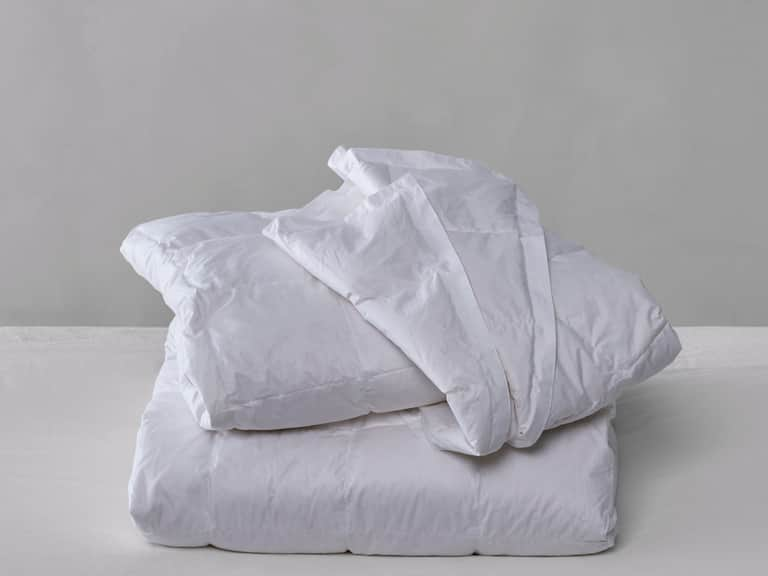
Duvet Filling Light is a comforter-category product name that indicates a lighter fill level intended for less substantial insulation. Lightweight bedding can suit warmer bedrooms, mild seasons, or sleepers who prefer reduced weight. The term describes the filling level rather than confirming a particular material, so fiber content and care instructions should be checked separately.
When assessing a light comforter, consider its dimensions, outer fabric, fill distribution, and cleaning requirements. Evenly distributed filling can help maintain consistent coverage, while a suitable size supports comfortable layering with sheets and other bedding. Breathability and warmth are influenced by the combined materials and construction, not simply by the comforter’s label.
Comforters can function as a standalone top layer or as part of a layered bedding arrangement. A lighter option may be combined with a blanket when temperatures change, allowing sleepers to adjust coverage without replacing the entire bed setup. Regularly following product-specific washing and drying guidance can help preserve shape and filling distribution.
Choosing bedding involves considering sleep preferences and how different products work together. Comforters provide body coverage and insulation, while pillows—including memory foam pillows and latex pillows—support the head and neck. Comparing these bedding features separately can clarify their distinct roles and help create a sleep environment suited to individual comfort needs.
 Bedding